Sports Massage Variations
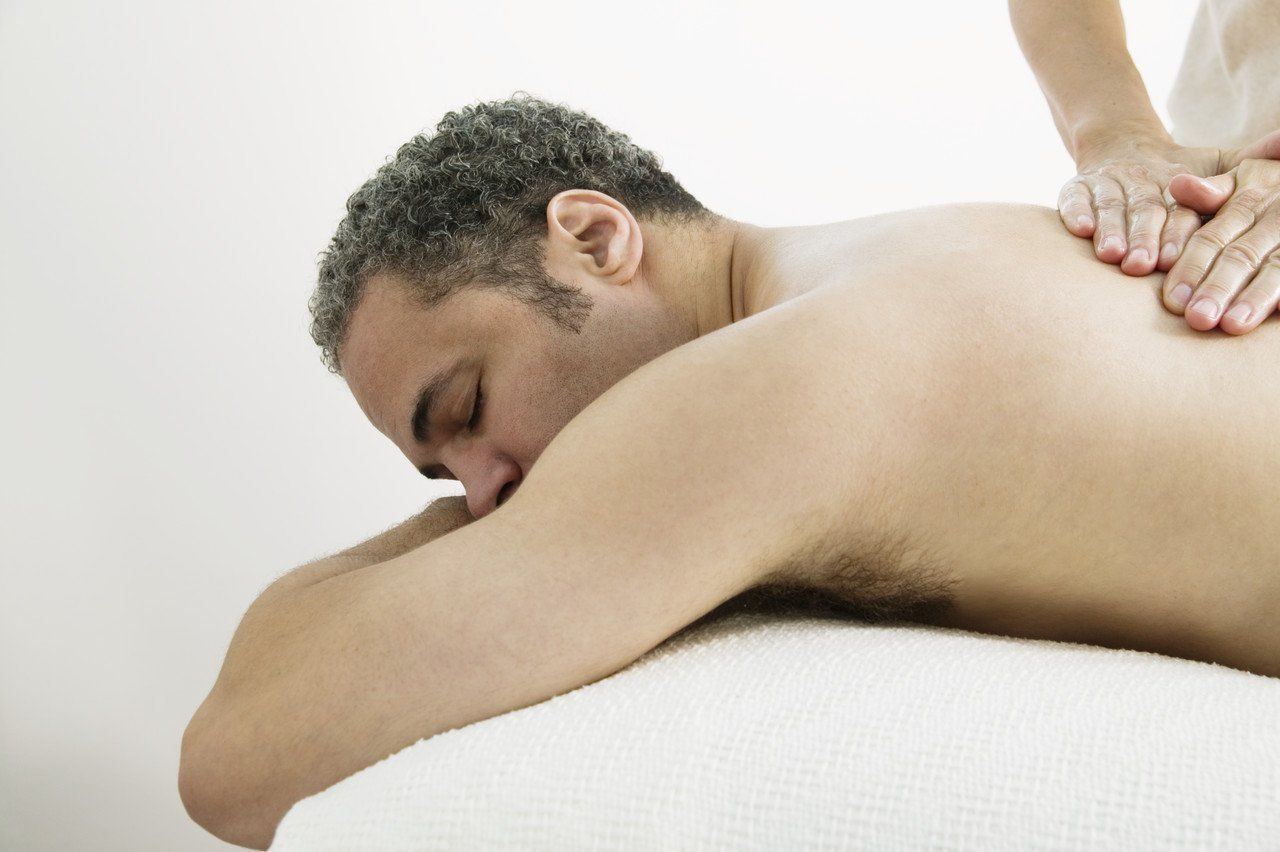
Sports massage treatments use targeted techniques to accelerate injury recovery, alleviate muscle tightness, and improve range of motion. Key modalities include MET, STR, myofascial release, Graston, cupping, trigger point therapy (TPT), and taping, each addressing specific soft tissue or joint issues.
Key Sports Massage Techniques
- Muscle Energy Technique (MET)What it is: An active, the client-assisted stretch. The therapist brings the muscle to a tension barrier, and the client applies an isometric contraction (pushing against resistance) for 5–10 seconds.
- Difference: Uses active muscle contraction and neuromuscular reflexes to relax a tight muscle before passively stretching it further.
- Injury Use: Relieves stiff joints, limited range of motion, and chronic muscleSoft Tissue Release (STR)
- What it is: Also known as the "pin and stretch" method. The therapist uses a thumb or elbow to "lock" a knot, and actively or passively moves the joint to stretch the trapped muscle under the lock.
- Difference: Focuses heavily on separating bound-up muscle fibers to restore elasticity and flexibility.
- Injury Use: Treats localized hot spots and scar tissue (e.g., hamstring tears, IT band syndrome).
- Myofascial Release (MFR)
- What it is: Targets the fascia (connective tissue web surrounding muscles). Involves slow, sustained, gentle pressure without oil.
- Difference: Unlike regular massage which squeezes and kneads muscle tissue, MFR relies on holding slow, stretching tension to allow the fascia to naturally reorganize and lengthen.
- Injury Use: Improves posture, loosens chronic, widespread tightness, and reduces long-term fascial restrictions.
- Trigger Point Therapy (TPT)
- What it is: Locates exquisitely tender, hyperirritable nodules in muscle bands (knots). The therapist applies direct, focused pressure to the point until the knot releases.
- Difference: Concentrates explicitly on deactivating specific spots that generate sharp, localized, or "referred" pain elsewhere in the body.
- Injury Use: Relieves highly localized tender spots and radiating or referred pain patterns.
7 Basic Treatments of Sports Massage and Injuries
- Preparation (Effleurage): Gliding strokes to warm up tissues and increase blood flow.
- Deeper Work (Petrissage): Kneading and rolling muscles to break up deeper tension.
- Adhesion Management: Using STR or Graston to separate fused muscle fibers and eliminate scar tissue.
- Neuromuscular Reset: Using MET or TPT to resolve muscle spasms and correct range-of-motion limits.
- Fascial Release: Applying MFR to release tight connective tissue and improve overall mobility.
- Decongestion: Using cupping or effleurage to promote lymphatic drainage and clear out metabolic waste.
- Support and Protection: Applying therapeutic tape to stabilize healing tissues during recovery.
If you are dealing with a specific injury (for example, a calf strain or shoulder stiffness), I can give you details on which of these treatments is most recommended for your specific phase of healing.
Emma@elyfithealthtesting.com
07495779876
Cupping Therapy

- Cupping Therapy
- What it is: Places silicone or glass cups on the skin and creates a vacuum. It draws the skin and superficial fascia upward.
- Difference: Instead of pressing downward, cupping creates negative pressure, pulling tissues apart to increase local blood flow and lymphatic drainage.
- Injury Use: Helps with muscle soreness, increasing localized circulation, and relieving tense, restricted muscle groups.
Graston/Scraping
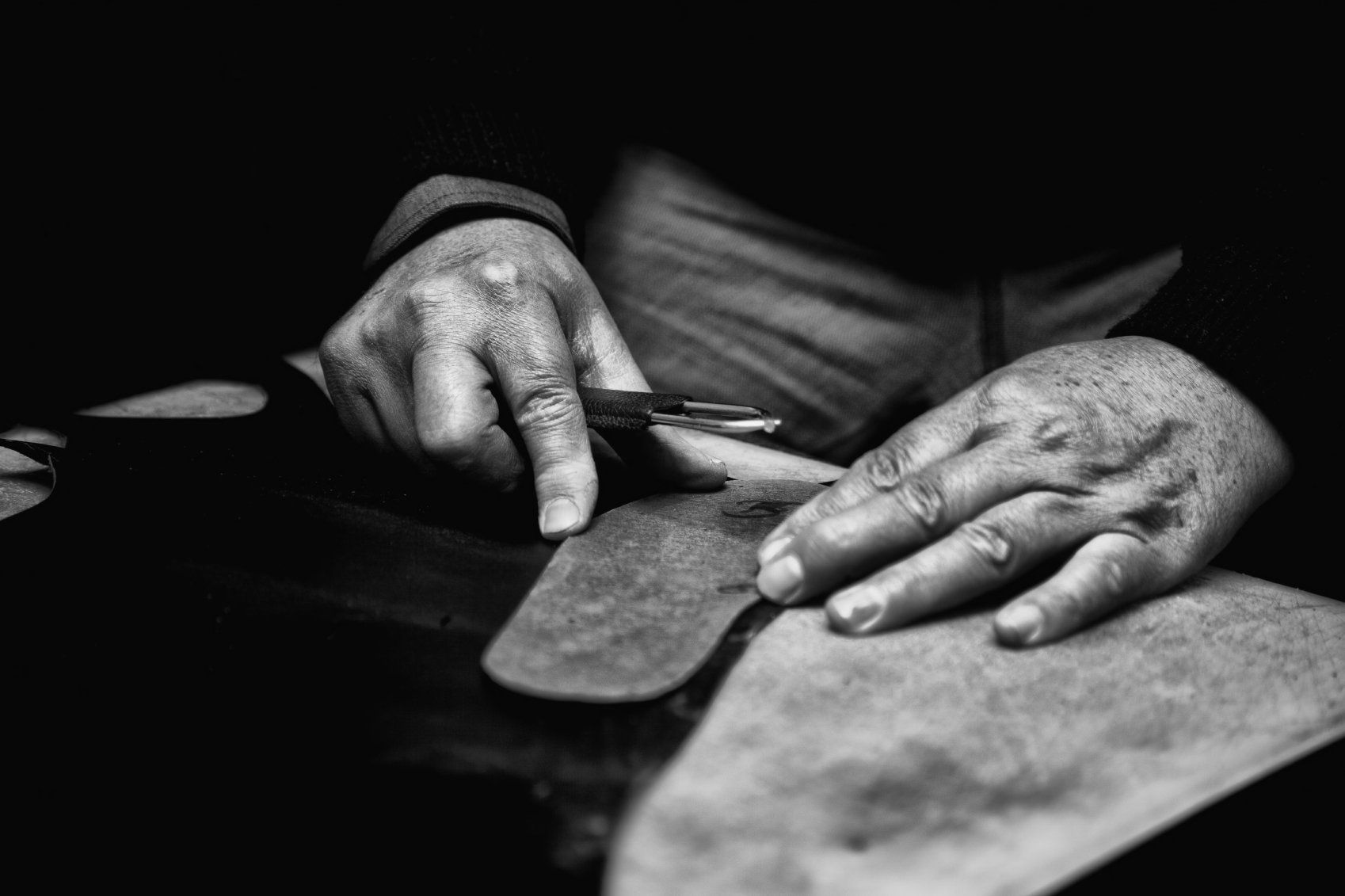
- Graston Technique (Instrument-Assisted Soft Tissue Mobilization / IASTM)
- What it is: Uses specialized stainless steel or hard plastic tools. The therapist scans the tissue and repeatedly strokes the skin to scrape or mobilize problematic areas.
- Difference: Allows the therapist to detect and break down dense scar tissue and adhesions much more precisely and deeply than using hands alone.
- Injury Use: Ideal for chronic injuries, tendinitis, and dense fibrous scar tissue.
KT Taping
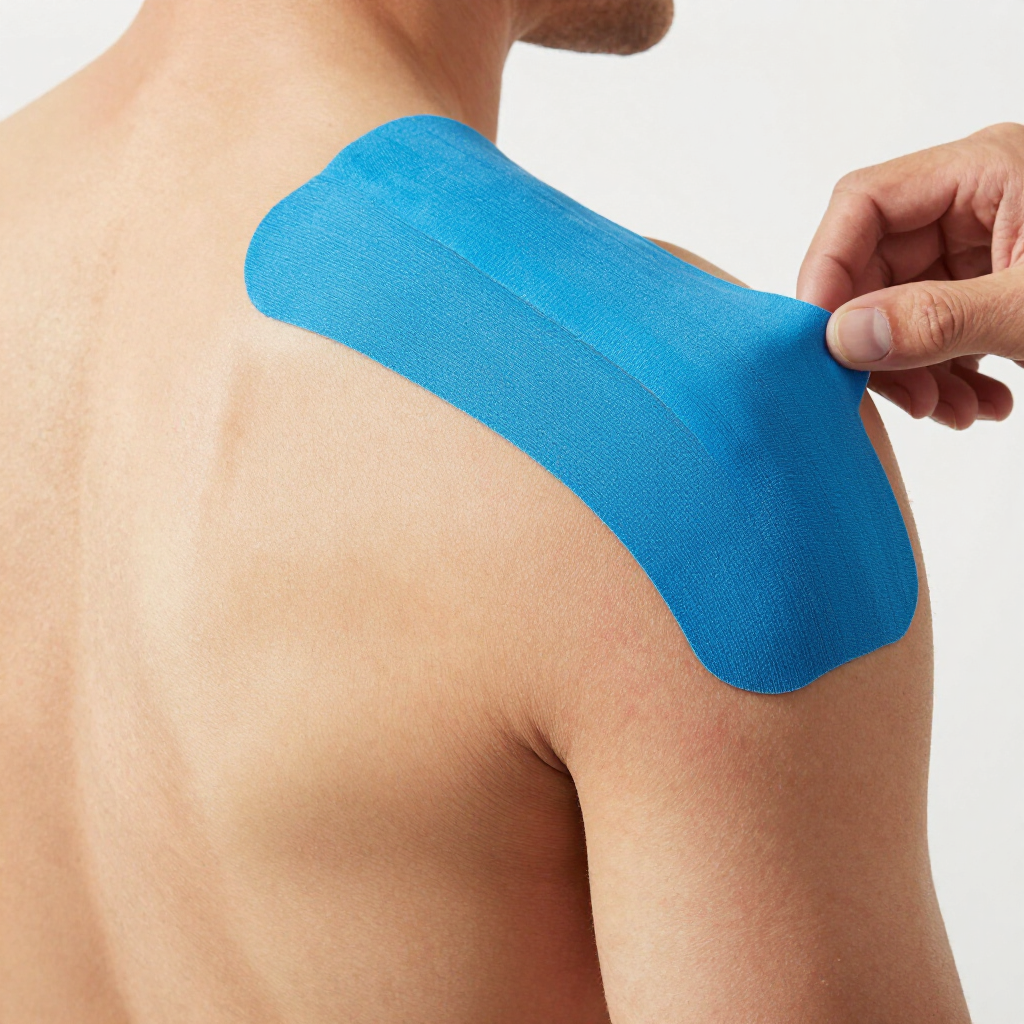
- Taping (Kinesiology or Rigid Taping)
- What it is: Applies therapeutic tape (such as RockTape) in specific patterns to the skin over muscles and joints.
- Difference: Serves as a supportive mechanical intervention rather than a hands-on manual massage stroke, helping to support joints or lift the skin to reduce swelling.
- Injury Use: Aids in offloading strained muscles, stabilizing joints, and managing swelling/edema.
