Posture & Gait Test Analysis
Understanding Posture and Gait
To fully understand body mechanics, it is good to evaluate the body from two distinct but connected perspectives:
- Posture Assessment: Analyzes the body's alignment while standing still.
- I check for the natural curves of the spine and ensure that the head, shoulders, hips, and ankles align along a balanced center of gravity. It identifies common issues like forward head posture, rounded shoulders, and pelvic tilt.
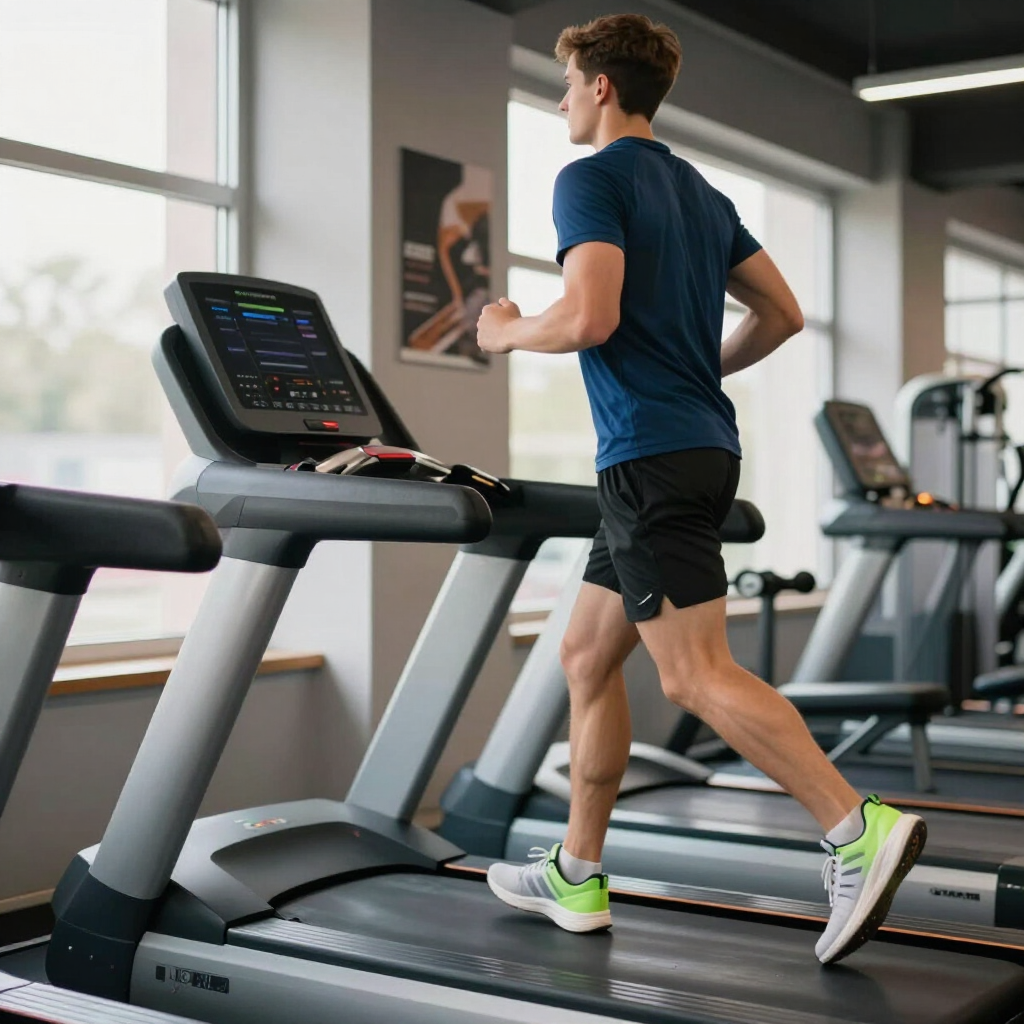
- Gait Analysis: The study of how your legs, feet, and torso coordinate as a single kinetic chain while you walk or run. The process breaks down walking into two main phases:
- Stance Phase: The period your foot is in contact with the ground. Analyze your foot strike, weight distribution, and shock absorption.
- Swing Phase: The period your foot is in the air. This evaluates stride length, knee flexion, and hip height.
How the Test is Conducted
- Visual Observation: From the front, back, and side.
- Video Motion Analysis: Slow-motion video captures movements frame-by-frame to detect subtle, rapid changes in joint angles and body mechanics.
- Functional Movement & Strength Testing: Checking joint flexibility and muscle strength helps confirm which bodily deficits are causing the movement deviations.
Core Benefits of Assessment
1. Pinpointing the Root Cause of Pain
Many chronic aches such as lower back, hip, knee, or ankle pain are often compensations for faulty movement patterns. Gait analysis identifies abnormal weight distribution and biomechanical issues, revealing the true driver of discomfort rather than just treating the symptoms.
2. Injury Prevention and Fall Reduction
By revealing early signs of overpronation, muscle weakness, or asymmetrical movement, specialists can intervene before these anomalies cause severe overuse injuries. In older adults, gait tests are highly effective in determining fall risks by detecting issues like foot drop or poor balance.
3. Tailored Rehabilitation
Following a surgery, injury, or neurological condition, altered walking habits (like limping) can cause secondary problems in other joints. Gait analysis ensures your rehabilitation focuses on restoring perfectly symmetrical and healthy movement patterns.
4. Performance Enhancement
For athletes and runners, analyzing ground reaction forces and joint angles during a gait cycle provides invaluable data. Using information metrics to optimize stride efficiency, maximize power production, and redistribute physical stress throughout the body.
5. Footwear advice
A posture and gait test informs you whether a you may require custom orthotics (insoles) or specific running shoes. By correcting foot mechanics, the foundation of the body, you can positively influence posture and alignment all the way up to the spine, however as a therapist I would look more into why your running gait is off balance before advising shoes or inserts.
After this assessment there may be exercises given to help improve your muscle balances.
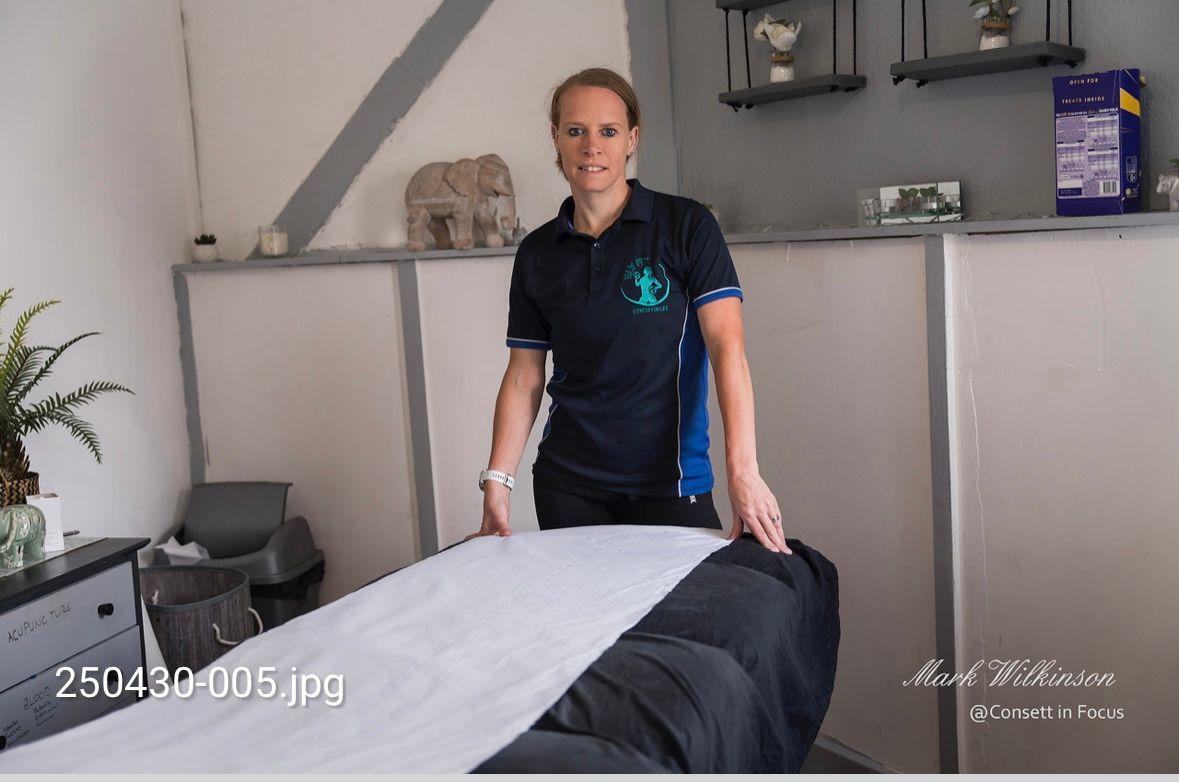
Emma Young
Company Owner
Level 5 Sports Massage Therapist
Acupuncturist
Personal Trainer
