Acupuncture & Dry Needling
Acupuncture alone
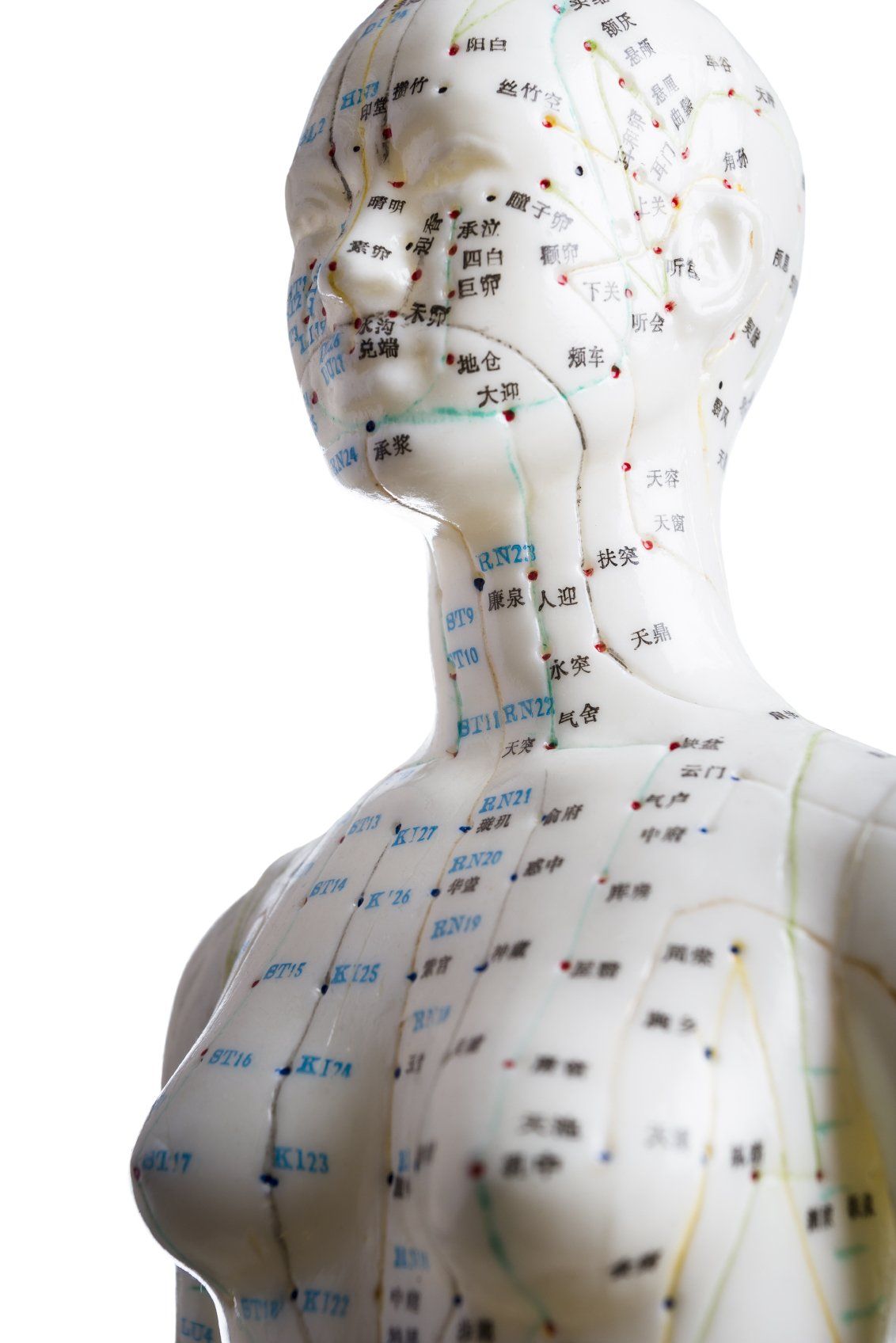
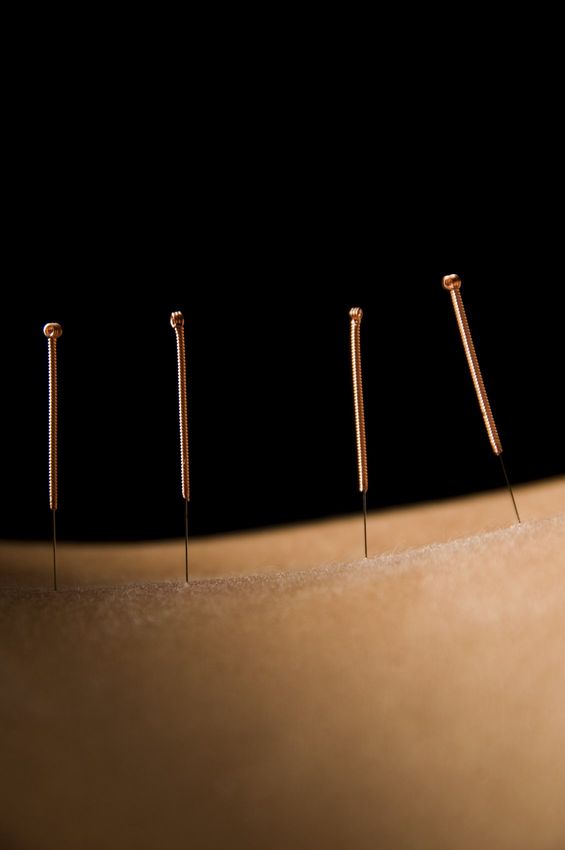
Acupuncture is an ancient Traditional Chinese Medicine (TCM) practice that involves inserting sterile, ultra-thin needles into specific anatomical points on the body. It aims to stimulate the central nervous system, naturally triggering pain-relieving chemicals and promoting healing for various physical and emotional conditions.
How Acupuncture Works
The mechanisms behind acupuncture are viewed differently across medical traditions:
- Traditional Chinese Medicine (TCM): Acupuncture is based on the concept of balancing the flow of energy or life force—known as qi (or chi)—which flows through pathways (meridians) in your body. Disruptions in this flow are believed to cause illness.
- Western Medicine: Acupuncture points stimulate sensory nerves, muscles, and connective tissues. This stimulation encourages the brain to release natural painkillers (endorphins) and neurotransmitters like serotonin, which regulate mood and well-being.
Primary Benefits and Uses
Acupuncture is widely recognized for treating an array of health issues, backed by a growing body of research.
1. Chronic and Musculoskeletal Pain Relief
Pain management is the most common reason people seek acupuncture. It is highly effective at reducing discomfort from conditions like:
- Lower back and neck pain
- Osteoarthritis (e.g., knee pain)
- Fibromyalgia
- Headaches and migraines
2. Relief from Nausea and Vomiting
Acupuncture is clinically proven to help alleviate nausea and vomiting induced by surgical anesthesia and cancer chemotherapy or even pregnancy.
3. Stress, Anxiety, and Mood Regulation
By stimulating the release of endorphins and serotonin, acupuncture can help calm the nervous system. Many patients utilize acupuncture alongside conventional therapies for stress-related illnesses, anxiety, and depressive symptoms.
4. Better Sleep and Insomnia Relief
Acupuncture can assist in resetting your body's natural sleep-wake cycle by promoting the natural release of melatonin. Many patients report improved sleep hygiene and less difficulty falling asleep.
Safety and What to Expect
The needles used are solid and significantly thinner than those used for injections. The most common and minor side effects include temporary soreness, minor bruising, or light bleeding at the needle insertion sites.
Dry needling
Dry needling is an evidence-based technique that uses thin filament needles inserted into muscles to deactivate trigger points, relieve deep tissue tension, and improve range of motion. When combined with sports massage, it accelerates recovery and provides a highly effective reset for chronic, hard-to-reach knots.
Core Principles and Techniques
- Trigger Point Targeting: It focuses on localized, irritable "knots" (taut bands) in muscle fibers that cause localized or referred pain.
- The "Dry" Aspect: No liquid or medication is injected; the mechanical presence of the needle itself stimulates the tissue.
- The Twitch Response: The therapist aims to elicit a "local twitch response"—an involuntary muscle contraction that signifies the tissue is releasing and resetting.
- Neuromuscular Effect: The needles stimulate the nervous system to block pain signals and release natural painkillers like endorphins.
Benefits for Sports Massage and Recovery
- Pain Relief: Provides rapid relief from acute muscle spasms, sports injuries, and repetitive strain.
- Increased Flexibility: By disrupting tight muscle fibers, it helps expand range of motion and joint mobility.
- Improved Blood Flow: The micro-lesion created by the needle promotes localized circulation, rushing fresh oxygen and nutrients to the area to flush out metabolic waste.
- Deeper Manual Work: Using dry needling to release superficial and intermediate trigger points makes subsequent deep tissue and massage work more effective and comfortable.
What to Expect
The insertion is usually painless. When the needle hits the trigger point, you may feel a brief cramping sensation, a dull ache, or the twitch response.
It is normal to feel mild soreness in the treated area for 24 to 48 hours, similar to a heavy post-workout feeling.